
Indonesia’s international trade sector in 2026 continues to show promising growth despite global economic challenges and increasing competition in international markets. The country remains capable of maintaining stable export performance while expanding its reach across various strategic sectors.
The manufacturing industry remains the primary contributor to Indonesia’s export growth. Products such as processed foods, chemicals, textiles, and mineral-based commodities continue to gain strong demand from international buyers. This reflects the increasing competitiveness of Indonesian products in the global market.
In addition to manufacturing, the agricultural sector is also becoming one of Indonesia’s strongest export pillars. Agricultural commodities such as corn, coffee, cocoa, spices, and plantation products are increasingly sought after by overseas markets. Global demand for high-quality food products and natural resources continues to create new opportunities for Indonesian exporters.
The growth of export activities has also contributed positively to the national economy. Many local businesses are now expanding their distribution networks internationally. Not only large corporations, but also small and medium enterprises (SMEs) are beginning to take advantage of export opportunities through digital platforms and government support programs.
On the import side, Indonesia continues to increase imports of industrial raw materials and production machinery. This trend indicates that the country’s manufacturing and industrial sectors remain active and continue to expand production capacity to meet both domestic and international demand.
The Indonesian government is also actively strengthening international trade cooperation, simplifying export regulations, and improving logistics infrastructure. These efforts aim to make the export and import process more efficient, secure, and competitive in the global market.
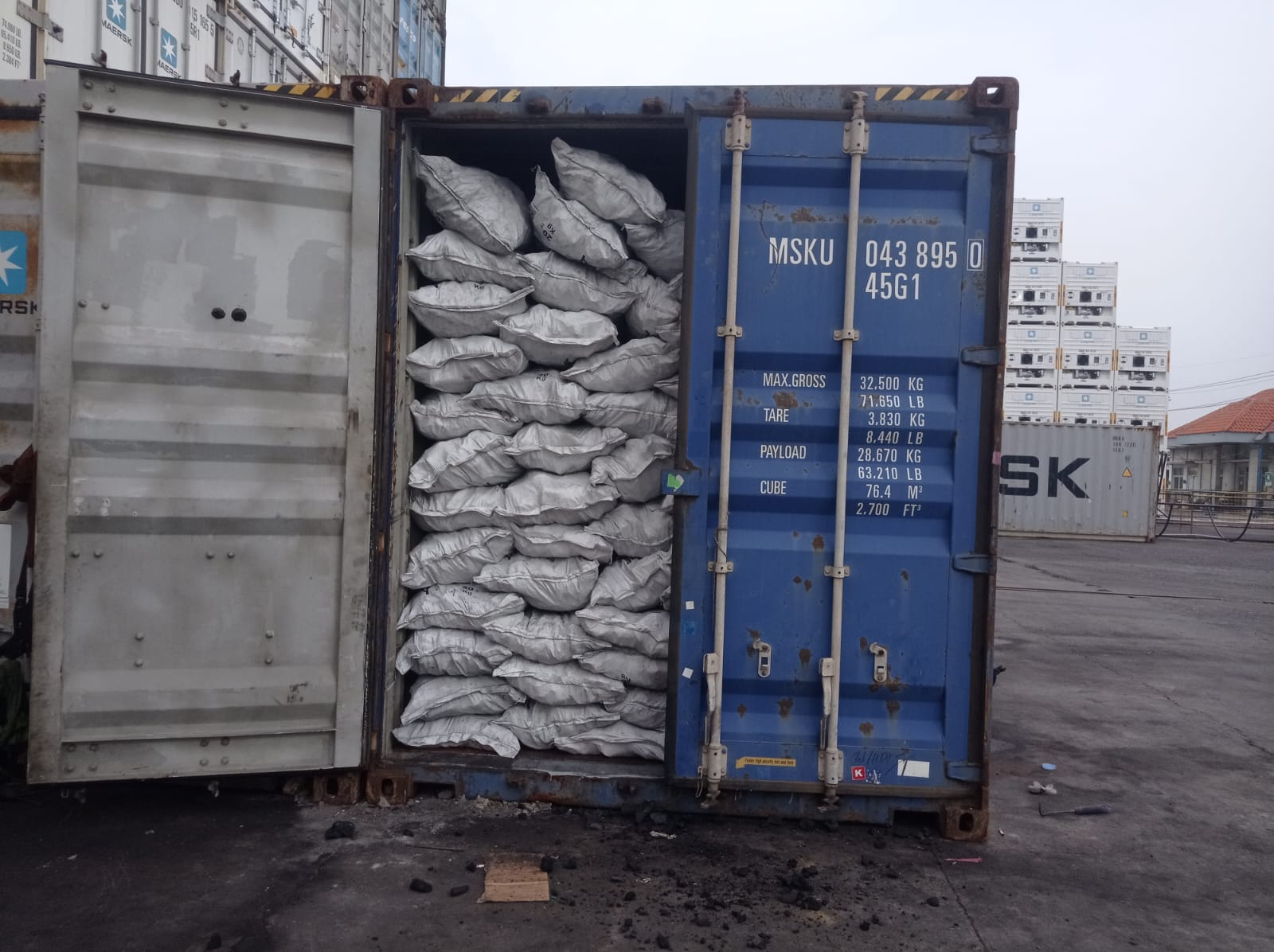
The logistics sector plays an essential role in supporting smooth international trade operations. Timely delivery, shipment security, and cost efficiency have become key factors for businesses seeking to compete globally.
Looking at current trade trends, Indonesia has significant potential to expand its export market to more countries worldwide. With continuous support from the industrial, agricultural, and logistics sectors, Indonesia’s international trade performance is expected to remain positive throughout 2026.