
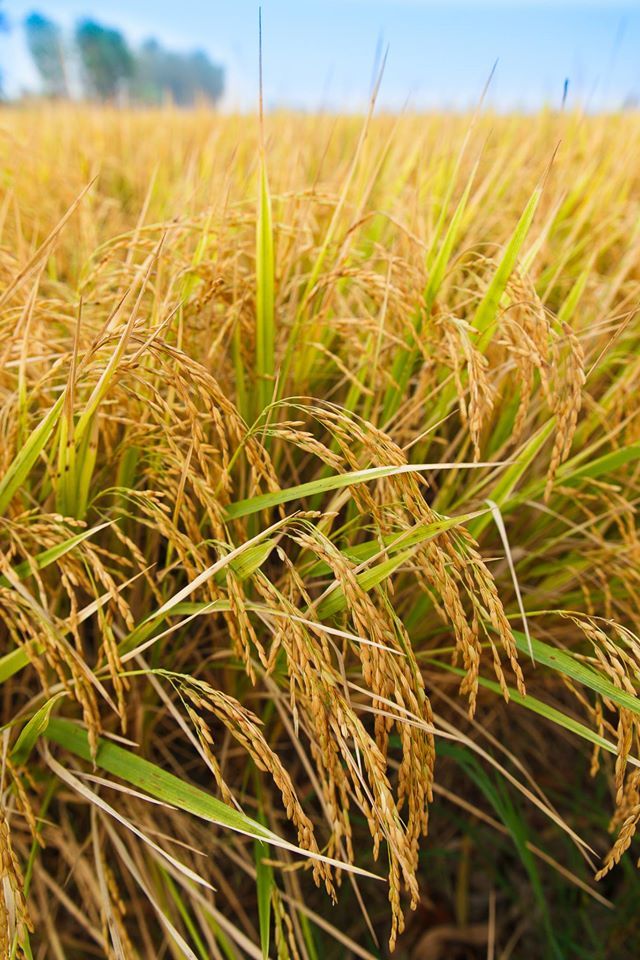
Inpago 13 Fortiz Offers a Solution to Climate Change Challenges
Climate change has increased the frequency of droughts in many parts of Indonesia. As a result, farmers often face water shortages during the growing season. These conditions can reduce rice production and threaten food security.
Therefore, developing climate-resilient rice varieties has become a key priority. One promising innovation is Inpago 13 Fortiz, an upland rice variety designed to perform well under limited water conditions. In addition, this variety is suitable for rainfed and dryland farming systems.
Strong Performance Under Dry Conditions
Inpago 13 Fortiz is known for its ability to tolerate drought stress. Because of this characteristic, farmers can continue cultivating rice even in areas with limited rainfall. As a result, crop losses caused by water shortages can be reduced.
Moreover, this variety offers high yield potential. Under proper cultivation practices, Inpago 13 Fortiz can produce up to 8.11 tons of dry harvested grain per hectare. Meanwhile, it reaches maturity in approximately 114 days, making it an efficient choice for many farming regions.
Rich in Zinc and Better Nutritional Value
Another important advantage of Inpago 13 Fortiz is its nutritional quality. The rice contains around 34 ppm of zinc, which is higher than that of many conventional rice varieties. In addition, it also provides a relatively high protein content.
Zinc is an essential mineral for human health. It supports normal growth, strengthens the immune system, and contributes to many important body functions. Therefore, biofortified rice varieties such as Inpago 13 Fortiz can help improve both food production and nutritional quality.
Supporting National Food Security
Using improved rice varieties is one of the most effective strategies for adapting to climate change. By planting drought-tolerant seeds, farmers can reduce production risks and maintain stable harvests. Furthermore, higher productivity can improve farm income and strengthen local food supplies.
However, quality seeds alone are not enough. Farmers should also apply good agricultural practices. These include efficient water management, balanced fertilization, and proper pest control. As a result, the full potential of Inpago 13 Fortiz can be achieved.
On the other hand, the development of Inpago 13 Fortiz demonstrates how agricultural innovation continues to support sustainable farming. This rice variety not only withstands drought conditions but also provides better nutritional benefits through its higher zinc content.
Looking ahead, wider adoption of Inpago 13 Fortiz is expected to help Indonesian farmers adapt to changing climate conditions. Ultimately, this innovation can contribute to higher rice production, improved nutrition, and stronger national food security.