
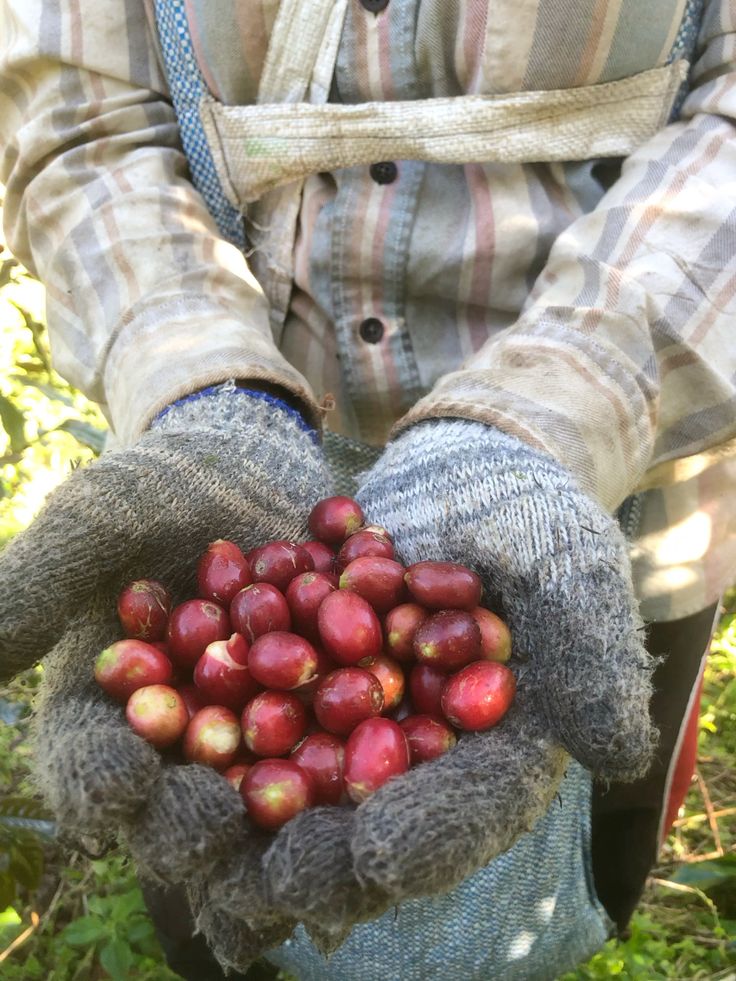
Central Lampung, August 31, 2026 — The Ministry of Agriculture is strengthening the plantation sector in Lampung Province.
The government plans to provide 2.6 million coffee and cocoa seedlings. The seedlings will support plantation development across about 18,000 hectares.
The program aims to expand plantation areas and raise farm productivity. It also seeks to improve the income and welfare of local farmers.
Agriculture Minister Andi Amran Sulaiman announced the program during a visit to a coffee and cocoa nursery in Bangun Rejo Village, Central Lampung, on Monday, August 31, 2026.
2.6 Million Coffee and Cocoa Seedlings
The government will prepare 2.6 million seedlings for the 2026 plantation program.
The total includes:
- 600,000 Robusta coffee seedlings
- 200,000 rooted coffee cuttings
- 1.8 million grafted cocoa seedlings
The government will send 600,000 Robusta coffee seedlings to West Pesisir and Tanggamus regencies.
Way Kanan Regency will receive 200,000 rooted coffee cuttings.
The government will develop 1.8 million grafted cocoa seedlings in West Lampung, Central Lampung, and South Lampung.
The seedling program will strengthen the plantation sector from the early stages of production. Quality seedlings can help farmers grow healthier and more productive plants.
Lampung Targets 30,000 Hectares of Plantation Development
The Ministry of Agriculture aims to develop around 30,000 hectares of plantations in Lampung.
The government will use about 18,000 hectares for coffee and cocoa. It will use the remaining area for sugarcane development.
The government has prepared around Rp350 billion to support the program.
Minister Andi Amran Sulaiman said the program should bring direct benefits to farmers.
The government will support farmers at several stages. This support includes seedlings, land preparation, and planting.
Government Promotes Plantation Rejuvenation
The coffee and cocoa program will not only expand plantation areas. It will also improve the productivity of existing farms.
Plant rejuvenation plays an important role in long-term farm production. Farmers can improve yields by using better planting materials and proper farming methods.
Coffee and cocoa also have strong market potential. Tulang Bawang Regent Qudrotul Ikhwan said both commodities have good economic prospects.
He also highlighted their potential in export markets.
Quality Seedlings Support Better Production
Good-quality seedlings are important for plantation development. Strong seedlings can help farmers achieve better plant growth and higher yields.
For this reason, the Ministry of Agriculture continues to monitor seedling quality in Lampung.
Technical teams check coffee and cocoa seedlings before farmers receive them. The checks help ensure that the seedlings are healthy and ready for planting.
The government expects this approach to support more planned and sustainable plantation development in Lampung.
Nursery Program Creates Local Jobs
The coffee and cocoa nursery program also creates jobs for local residents.
Agus Setiawan, Director of CV Hikmah Tani, said the nursery employs around 70 workers each day.
The number can rise to 150–200 workers during the polybag filling process.
The program therefore provides benefits beyond crop production. It also supports local businesses and creates new job opportunities.
Coffee and Cocoa Support Lampung’s Plantation Economy
The government hopes the 2.6 million seedlings will help expand coffee and cocoa production in Lampung.
The program targets around 18,000 hectares of coffee and cocoa plantations.
The government expects the program to increase farm productivity. It also aims to expand production centers and create more jobs.
In addition, the program could open wider market opportunities for Indonesian coffee and cocoa.
The initiative forms part of the government’s effort to strengthen Indonesia’s agricultural and plantation sectors.
By improving access to quality seedlings, the government hopes to give farmers better opportunities to increase production and income.